
Gray coverage in Bensonhurst, Brooklyn
Covering gray isn't about erasing anything — it's about the color reading as hair: with depth, movement, and shine, not a flat painted block
I build coverage the way I build any color: matched to your skin, planned around your regrowth, honest about the upkeep it asks of you
How I work
Coverage or blending — your call
Full coverage makes gray disappear; blending softens it into the rest so regrowth whispers instead of announcing itself. Both are legitimate. I'll lay out what each asks of you and you choose
Formula for resistant gray
Gray hair has its own texture and its own stubbornness. I adjust formula and timing to it — that's the difference between coverage that holds and coverage that's gone in two washes
Dimension on purpose
One flat shade ages a face faster than the gray did. A touch of depth at the root or a fine thread of light keeps covered hair looking like it grew that way
Recent results
Real clients from this chair — photographed on the day, in the salon's own light
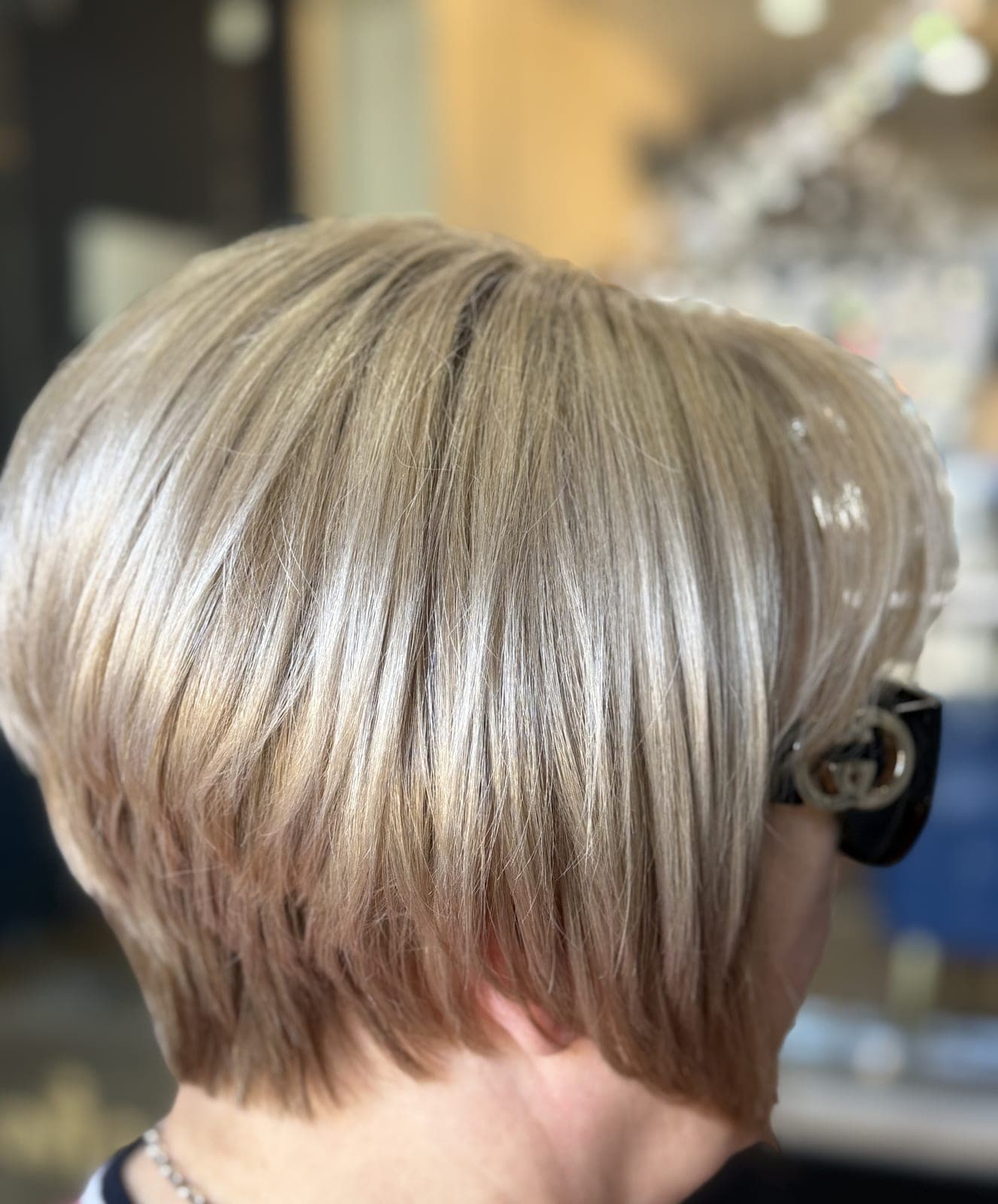
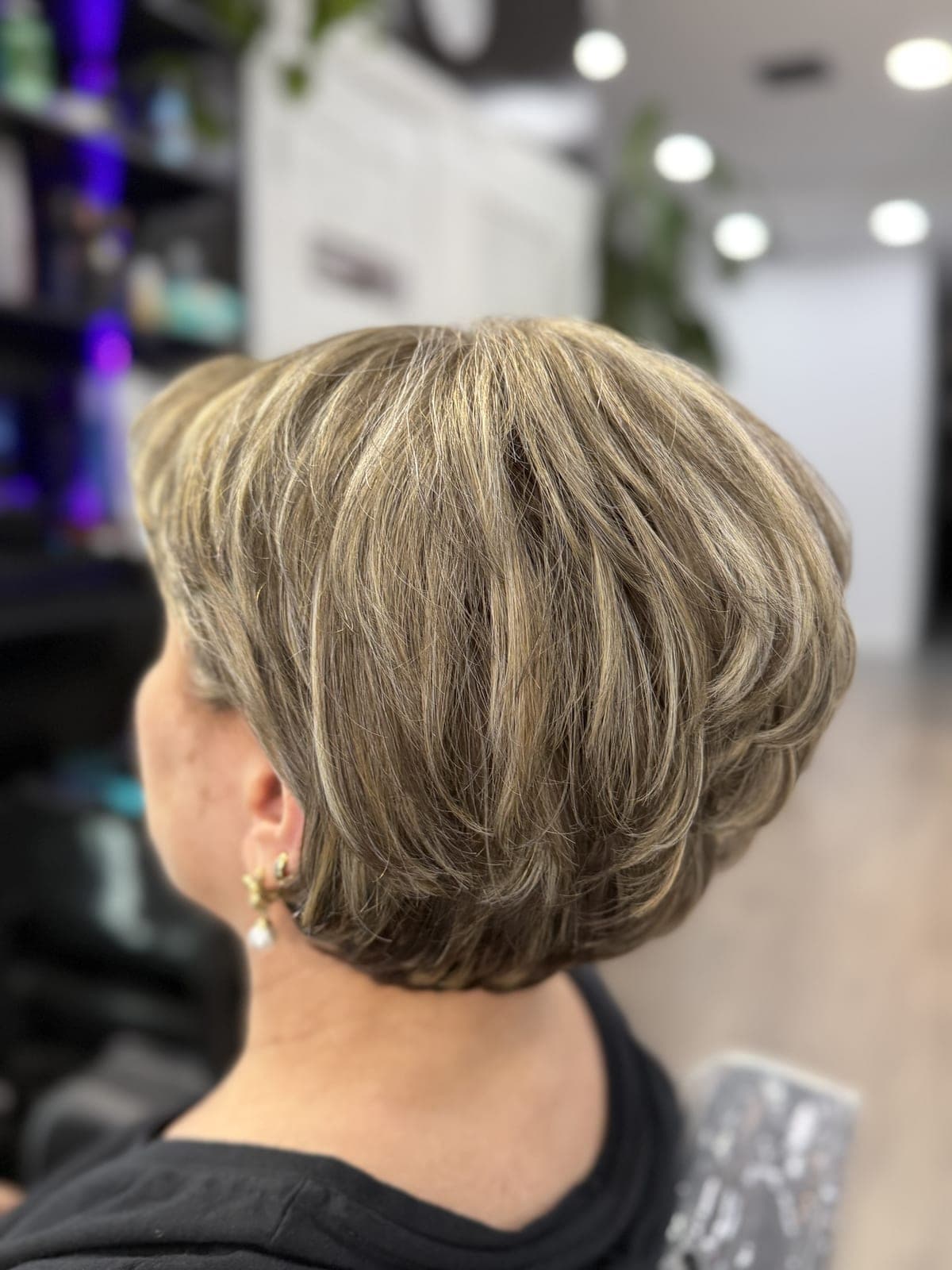
Price at consultation
Exact quote depends on length, density, and your color history — I confirm it at consultation, before we start, so there are no surprises at the register
Questions I hear about gray coverage
How long does coverage last?
The color holds; the calendar is set by your regrowth. Everyone's rhythm is different, so instead of quoting an average I'll watch how your hair behaves after the first visit and tell you your own honest number
I don't want to look "dyed". Is that possible?
That worry is exactly why blending exists, and why I add dimension even to full coverage. The goal is people noticing you look rested — not noticing an appointment happened
What if I want to stop covering my gray one day?
Then we plan the exit — usually by blending lighter over a few visits so the line between colored and natural fades instead of growing out as a stripe. It's a transition I enjoy doing, and there's no judgment at my chair in either direction